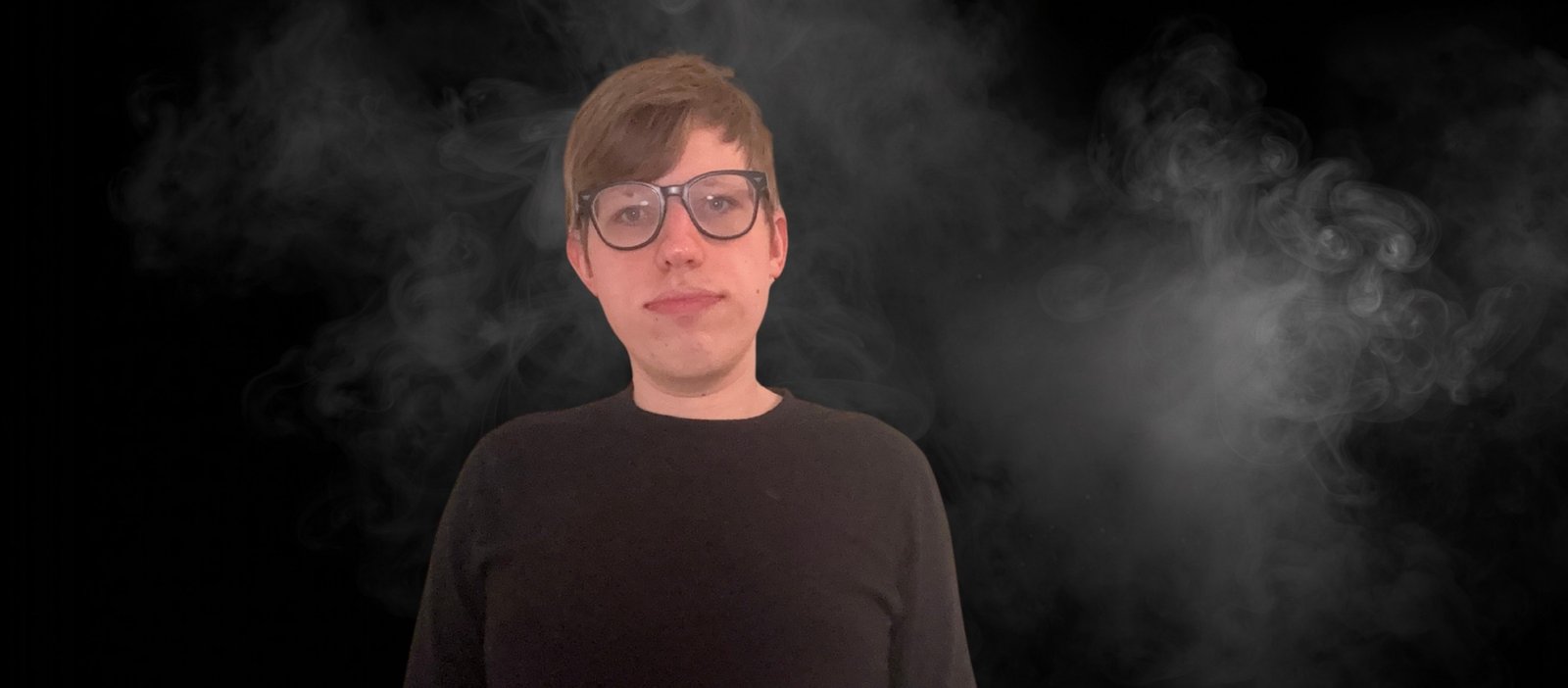
Music has been part of my life for much longer than I've been releasing it.
When I was younger, I loved karaoke and singing along to songs I knew. I used to make my own CDs, create covers and track lists for them and imagine they were my own albums. I also loved singing games on consoles, using the microphone, getting scores and pretending I was putting on a show. I wasn't writing my own music then, but looking back, I was already finding my own way of being part of it.
I've always connected strongly with music through listening and memory. I have dyslexia and dyspraxia, and reading, writing and getting what's in my head into the right words hasn't always been easy. Sometimes I can have an idea or remember something for years without really knowing how to explain it. Music has become one of the ways I can finally get some of those things out.
In 2026, I started releasing original music as Roberts Stones. My first album will always be important to me because that's where everything started to come together. Things I'd experienced, emotions I'd felt, memories I'd carried with me and completely imagined ideas finally had somewhere to go. They were becoming my own songs.
There isn't one way a Roberts Stones song starts.
Some of my music comes from personal emotions and experiences. Relationships can leave you feeling hurt, sad, attached to somebody or missing them, and some of those feelings have found their way into my music without me needing to tell everybody the private story behind them. Other ideas come from challenges in my own life, including feeling different and knowing that people can sometimes judge you because you don't read, write, speak or do things in quite the same way they expect.
But a song doesn't always have to be about my life. An idea can come from something I've remembered for years, a dream or conversation, something I've seen, another piece of music that sends my imagination somewhere completely different, or even just a word.
Qyæzox came from experimenting with language and trying to find a word that didn't seem to exist. I kept searching different words, but many were already recognised or connected to something. Eventually I found Qyæzox, and at the time it didn't seem to give me the normal answer I expected when I searched for it. That was what I'd been looking for. I could take the word and give it a meaning of my own, developing an idea around light.
“Trapped Burning” started in a completely different way. Seeing an NF visual involving fire made me imagine somebody actually trapped within the fire itself - burning, screaming for help and desperately trying to pull away, almost as if the flames had become a cage. What I'd seen was only the spark; my imagination took it somewhere else and that became the idea for the song.
That's one of the things I enjoy most about creating music. Something small can make me think, “What could I do with that?” and suddenly an idea starts becoming something much bigger.
Childhood and home can inspire me too. I've written from memories of where I grew up, being only minutes away from a beautiful beach, the history of the place and that feeling of wanting to go back. It's not always about telling exactly what happened or describing a place. A lot of the time, it's the feeling I've carried with me that becomes part of the music.
Technology eventually gave me a way to do more with all these ideas. I use ChatGPT and Suno as part of my creative process, and I'm open about that because they've helped me turn things that could stay stuck in my head into something I can actually create.
With ChatGPT, I can start with an idea and work through it - explain what I'm thinking, look for words, try different directions, change things and reject things that don't feel right. Sometimes I already know what I want a song to be about; other times I'm exploring an idea and finding out what it could become. Suno then gives me another way to take those ideas and lyrics and explore how they can become music.
For me, the tools don't replace the idea. They help me express it.
I'm inspired by artists including Imagine Dragons, NF and The Script, especially by the emotion, storytelling and creativity in their music. But I've never wanted Roberts Stones to have only one sound. Different ideas need different sounds. The music can be emotional, dark, energetic, cinematic, personal or completely imagined.
I would rather follow where an idea takes me than decide what a Roberts Stones song has to sound like before I've even created it.
I'm still discovering different ways of making music and bringing more of myself into it, including my own voice. I want Roberts Stones to always have room to change, experiment and see where the next idea goes.
For me, that's what Roberts Stones is about: taking something that's in my head - whether it's an emotion, a memory, a word, an image or a completely new idea - and finding a way to let somebody else hear it.

One artist. Many worlds.